
Introduction
The global technology sector is undergoing an unprecedented transformation, fueled by a powerful convergence of capital, infrastructure, and algorithmic breakthroughs. At the center of this shift are the AI Boom Drivers: Moonshot Initiatives, Anthropic, Claude, and the .AI Frontier, which collectively define the modern era of computing.
Consequently, this period represents an AI spring, characterized by the rapid deployment of computational systems that perform complex tasks once thought exclusive to human cognitive capabilities.
Unlike previous technological cycles that relied on incremental software updates, the current momentum is sustained by massive capital allocations toward large language models and agentic systems. Therefore, understanding these drivers is helpful for identifying where long-term value is accumulating in the digital ecosystem.
The Rise of Moonshot AI and China’s Tiger Companies
In the global race toward artificial general intelligence, East Asia has emerged as a primary engine of innovation. Beijing-based Moonshot AI, established in March 2023, stands out as one of China’s six “AI Tigers.”
The company has focused its research on long context length, multimodal world models, and scalable architectures capable of continuous self-improvement. Their Kimi chatbot has demonstrated remarkable processing capabilities, with the January 2026 release of Kimi K2.5 introducing native vision.
Additionally, other regional players are scaling rapidly. Z.ai, formerly known as Zhipu AI, rebranded internationally in 2025 and has released its flagship GLM (General Language Model) family under the open-source MIT License.
These developments highlight a dual-track global ecosystem where proprietary models compete directly with powerful open-source alternatives. However, the sheer speed of these releases underscores the intense competition among firms aiming to establish dominant foundation models.

Anthropic and the Evolution of Claude
In the West, Anthropic has established itself as a premier force in the industry, reaching an estimated valuation of $965 billion in May 2026. This approach ensures that their flagship model family, Claude, adheres to specific guidelines.
Furthermore, the year 2025 and early 2026 brought significant expansions to Claude’s capabilities, including the Model Context Protocol (MCP) connector, real-time web search APIs, and computer use features. These developments have positioned Claude as an active agent.
Despite regulatory hurdles, such as the temporary Department of Defense supply chain designation that was halted by a federal injunction in March 2026, Anthropic continues to lead the market. In contrast to more fragile ecosystems, their safety-oriented structure remains highly resilient.
The .AI Domain Frontier and Digital Real Estate
The physical expansion of hardware is matched by a digital land grab happening at the domain level. The .ai top-level domain, originally introduced in 1995 as the country code top-level domain (ccTLD) for the British Overseas Territory of Anguilla, has become the definitive address for any organization operating in the artificial intelligence space. Since Identity Digital took over management of the registry in January 2025, registration volumes have surged, reaching 1,277,727 registered domains by June 2026.
This transition has been accelerated by major search engines treating the extension as a generic top-level domain (gTLD), removing any geographic bias toward Anguilla in search rankings. Startups, multinational enterprises, and research labs utilize the extension to signal their technical focus immediately. The domain market serves as a reliable economic indicator of the industry’s health, showing sustained demand for digital real estate even as individual software tools evolve.
Strategic Infrastructure and the Global Race for AGI
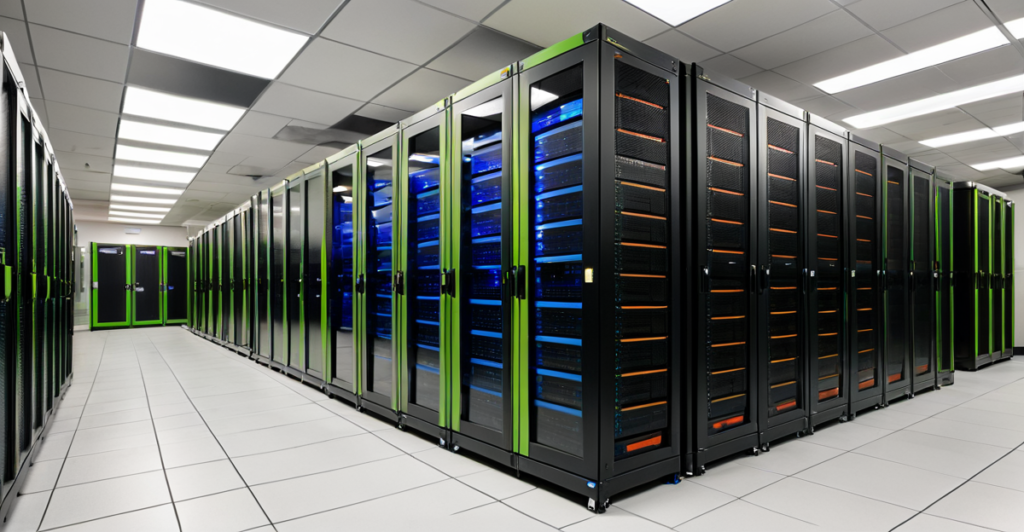
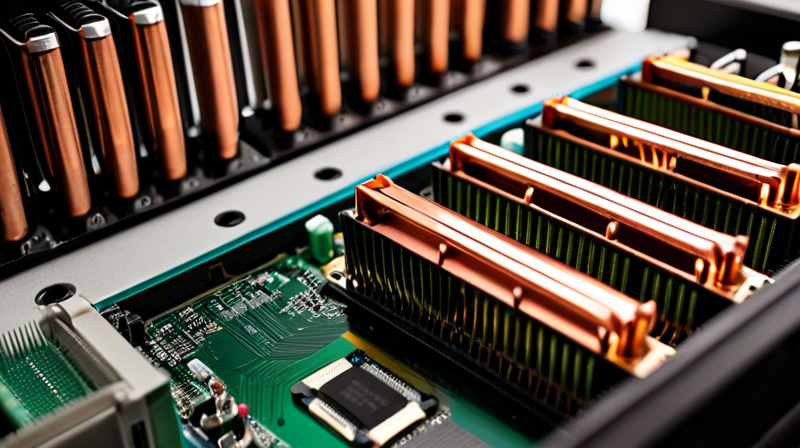
The race to achieve artificial general intelligence (AGI) requires massive capital, specialized hardware, and continuous algorithmic refinement. Companies are moving away from simple text-based applications toward multimodal systems that can process text, images, video, and code simultaneously. This shift requires substantial investments in physical infrastructure, particularly GPU-enabled data centers and advanced cooling technologies.
To understand the scale of this global race, consider the following key milestones reached by leading organizations:
- Long-Context Processing: Models can now retain hundreds of thousands of characters in a single session, allowing for the analysis of entire codebases or legal volumes.
- Agentic Capabilities: Systems like Claude’s “computer use” feature can interact directly with operating systems to perform multi-step administrative tasks.
- Open-Source Accessibility: The release of the GLM family by Z.ai under the MIT License democratizes access to state-of-the-art models for developers worldwide.
- Multimodal Integration: The integration of specialized vision encoders, such as MoonViT, allows models to interpret real-world physical environments through video.
Frequently Asked Questions
1. What is the significance of the .ai domain extension?
Originally the country code top-level domain for Anguilla, the .ai extension has become the global standard for companies in the artificial intelligence sector. Search engines treat it as a generic domain, making it highly valuable digital real estate.
2. How does Anthropic’s constitutional AI differ from traditional training?
Constitutional AI is a training method developed by Anthropic that uses a set of written principles to guide model behavior. This helps ensure ethical compliance, safety, and alignment without relying solely on manual human feedback.
3. What are China’s “AI Tigers”?
The “AI Tigers” refer to a group of highly valued Chinese startups, including Moonshot AI and Z.ai, that are leading the development of advanced foundation models and general language models in the region.
Conclusion: Key Takeaways for Investors
The evolution of the AI Boom Drivers: Moonshot Initiatives, Anthropic, Claude, and the .AI Frontier demonstrates that the technological landscape is maturing rapidly. For investors and enterprises, the focus is shifting from speculative applications to robust, agentic infrastructure. The companies that control foundation models, secure valuable digital real estate, and build compliant, scalable systems are positioned to lead the next decade of digital growth. As these systems become more integrated into global business workflows, staying informed on both Western developments and Eastern innovations is essential for navigating this highly dynamic market.
Editorial Note
Articles published on Finvestech.in are researched using reputable public sources, official announcements, regulatory publications, industry reports, and other credible references.
Artificial Intelligence is used to assist with research, drafting, structuring, language refinement, and editorial workflows. Every article is subsequently reviewed, verified, and refined to improve clarity, accuracy, readability, and overall usefulness before publication.
Our objective is to provide educational, practical, and well-researched content that helps readers better understand finance, investing, artificial intelligence, technology, cryptocurrency, automation, and digital business.
The information published on Finvestech.in is intended solely for educational and informational purposes and should not be interpreted as financial, investment, legal, tax, or professional advice. Readers should always conduct their own research and consult qualified professionals before making important financial or business decisions.