
Introduction: The Shifting Sands of Digital Assets
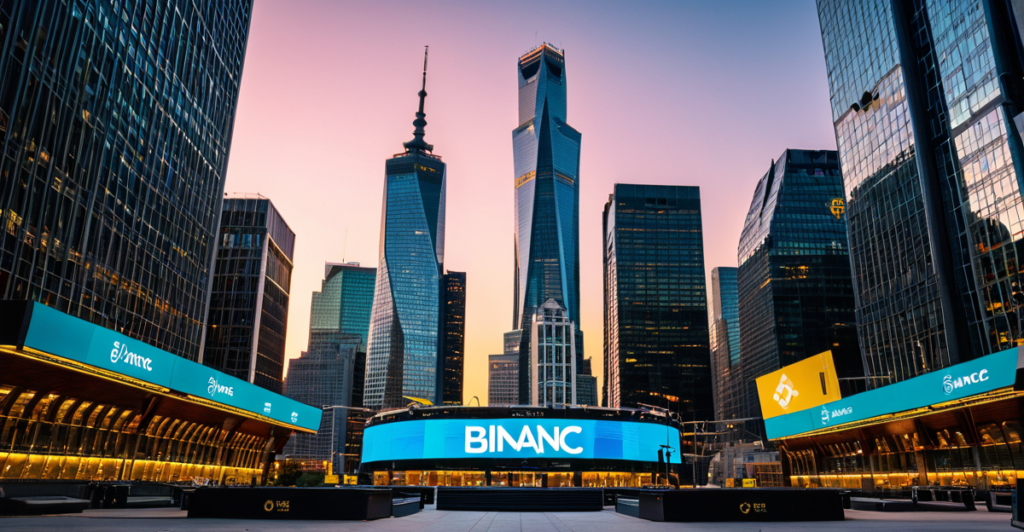
The landscape of digital assets has undergone a profound transformation in recent years. What began as a niche technological curiosity has blossomed into a significant global financial force, with its influence palpable From Binance to Crypto.com Arena: Analyzing Crypto’s Evolving Market and Controversies. This journey from decentralized origins to mainstream recognition is complex, marked by both unprecedented growth and persistent challenges. The naming rights for a major sports venue by a crypto exchange, alongside the rise of global trading platforms like Binance, underscore a remarkable shift in perception and adoption.
This article delves into the dynamic evolution of the digital asset market, exploring the forces that have propelled it into the mainstream while simultaneously examining the critical controversies that continue to shape its trajectory. We will consider the interplay of technological innovation, regulatory pressures, and market sentiment, providing insights into the current state and potential future directions of this rapidly maturing financial sector. Understanding these dynamics is essential for anyone navigating the opportunities and risks presented by digital assets in 2026.
From Niche Technology to Mainstream Recognition
The journey of digital assets from a specialized interest to a household name is a compelling narrative of innovation and adoption. Initially, these assets were primarily the domain of tech enthusiasts and early adopters, driven by the promise of decentralized finance and new forms of digital ownership. Over time, however, the underlying blockchain technology trends began to attract broader attention, leading to significant investment and development across various sectors.
This transition is vividly illustrated by the shift from early, often complex, trading platforms to more user-friendly exchanges that now serve millions globally. The visibility of brands like Crypto.com securing naming rights for prominent venues, such as the Crypto.com Arena, symbolizes a major leap in public awareness and institutional crypto adoption. This mainstream embrace signifies a maturation of the space, moving beyond its initial speculative phase to integrate more deeply into the global economic fabric.

Regulatory Scrutiny and Compliance Challenges
The rapid expansion of digital assets has inevitably drawn the attention of regulators worldwide. Governments and financial authorities are actively working to establish frameworks that address investor protection, market integrity, and anti-money laundering concerns. This has led to a complex and often fragmented global regulatory landscape, with varying approaches to digital asset regulation across different jurisdictions.
Major exchanges, including Binance, have faced significant regulatory challenges, underscoring the ongoing tension between innovation and oversight. Navigating these evolving requirements necessitates robust regulatory compliance strategies and a proactive approach to engaging with policymakers. The industry’s ability to adapt to these new rules will be important for its long-term stability and continued growth. These discussions are frequently covered by financial news outlets frequently report on these developments.

Market Volatility and Investment Risks
Despite its growth, the digital asset market remains characterized by significant volatility. Price fluctuations can be rapid and substantial, influenced by a myriad of factors including:
- Geopolitical events: Global political and economic shifts can trigger market reactions.
- Regulatory announcements: New legislation or enforcement actions often lead to price adjustments.
- Technological developments: Major upgrades or security breaches impact investor confidence.
- Macroeconomic indicators: Broader economic trends can influence investment appetite for riskier assets.
Understanding these dynamics is key to navigating the space, as discussed in articles about understanding market volatility.
For investors, managing these inherent risks is paramount. Diversification across different asset classes and a clear understanding of personal risk tolerance are critical. While digital assets offer potential for high returns, they also carry the risk of significant losses. Implementing sound risk management strategies, such as setting stop-loss orders or investing only what one can afford to lose, is essential in this dynamic environment. Leading financial news sources often highlight these considerations. Beyond traditional digital currencies, the ecosystem has expanded dramatically with the advent of decentralized finance (DeFi) and non-fungible tokens (NFTs). DeFi aims to recreate traditional financial services—like lending, borrowing, and trading—on blockchain networks without intermediaries. This innovation promises greater accessibility and transparency, challenging conventional financial systems.
NFTs, on the other hand, have revolutionized digital ownership by providing verifiable proof of authenticity and scarcity for digital items, from art to collectibles and virtual real estate. The impact of NFTs has extended far beyond the art world, influencing gaming, music, and even brand engagement. Both DeFi and NFTs represent significant advancements in blockchain technology trends, showcasing the versatility and potential of decentralized networks to redefine value and interaction in the digital realm.
Future Outlook: Innovation, Integration, and Sustainability
Looking ahead, the digital asset market is poised for continued innovation and deeper integration into the global economy. We can anticipate further advancements in Web3 development, enhancing decentralized applications and user experiences. The ongoing efforts to refine digital asset regulation will likely lead to more harmonized global standards, fostering greater institutional participation and reducing market fragmentation.
However, challenges remain, particularly concerning scalability and environmental sustainability. The energy consumption associated with certain blockchain consensus mechanisms continues to be a point of debate, driving innovation towards more energy-efficient solutions. As the market matures, the focus will increasingly shift towards building robust, secure, and sustainable infrastructure that can support a truly global digital economy. The path forward involves continuous adaptation and a balanced approach to both opportunity and responsibility.
Frequently Asked Questions
What is the significance of ‘From Binance to Crypto.com Arena’?
This phrase encapsulates the journey of digital assets from being primarily traded on major exchanges like Binance to achieving mainstream brand recognition through sponsorships like the Crypto.com Arena. It highlights the sector’s evolution from a niche technology to a globally recognized financial and cultural force.
What are the primary regulatory challenges facing digital assets?
Primary challenges include establishing clear legal frameworks for various digital asset types, ensuring investor protection, combating illicit financial activities like money laundering, and harmonizing regulations across different international jurisdictions. The goal is to balance innovation with necessary oversight.
How does institutional adoption impact the digital asset market?
Increased institutional crypto adoption brings greater legitimacy, liquidity, and stability to the market. When large financial institutions, corporations, and investment funds participate, it can reduce volatility, attract more capital, and accelerate the development of sophisticated financial products and services within the digital asset ecosystem.
Conclusion: Key Takeaways for Investors
The journey From Binance to Crypto.com Arena: Analyzing Crypto’s Evolving Market and Controversies highlights a sector that has moved from the fringes to the forefront of global finance. This evolution is characterized by both immense innovation, particularly in areas like DeFi and NFTs, and significant growing pains related to digital asset regulation and market volatility. For investors, the key takeaway is the necessity of a balanced perspective.
While the potential for growth and technological advancement remains compelling, it is equally important to acknowledge and mitigate the inherent risks. Staying informed about blockchain technology trends, understanding regulatory developments, and practicing sound risk management strategies are important for navigating this complex yet promising landscape. As the digital asset market continues to mature, its integration into the broader financial system will likely deepen, presenting both new opportunities and ongoing challenges for those looking to participate.
Editorial Note
Articles published on Finvestech.in are researched using reputable public sources, official announcements, regulatory publications, industry reports, and other credible references.
Artificial Intelligence is used to assist with research, drafting, structuring, language refinement, and editorial workflows. Every article is subsequently reviewed, verified, and refined to improve clarity, accuracy, readability, and overall usefulness before publication.
Our objective is to provide educational, practical, and well-researched content that helps readers better understand finance, investing, artificial intelligence, technology, cryptocurrency, automation, and digital business.
The information published on Finvestech.in is intended solely for educational and informational purposes and should not be interpreted as financial, investment, legal, tax, or professional advice. Readers should always conduct their own research and consult qualified professionals before making important financial or business decisions.