
Introduction: The Dawn of Multimodal AI Creation
The landscape of digital content creation is undergoing a rapid evolution, and at the center of this shift is Gemini Omni. According to recent industry leaks, Google is quietly developing this advanced multimodal AI creation platform to redefine how we interact with digital media. Rather than acting as a simple chatbot, this new system is designed to function as an all-in-one creative platform, integrating seamlessly into the broader Gemini ecosystem. Early reports suggest that we could see its official debut around Google I/O 2026, marking a significant step forward in consumer-facing artificial intelligence.
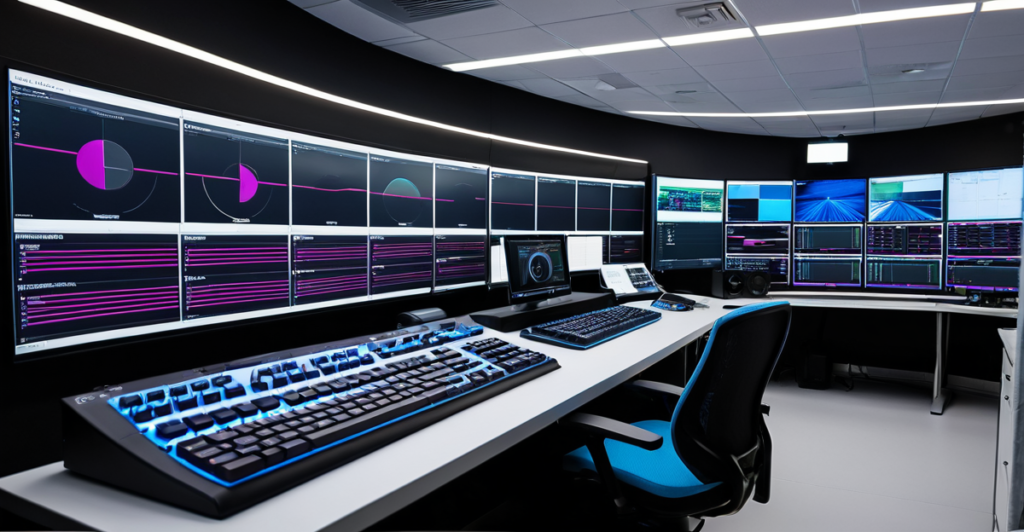
For forward-thinking businesses and tech enthusiasts visiting finvestech.in, keeping track of these advancements is essential. Traditional AI video generators have typically been limited to producing short, isolated clips from static text prompts. In contrast, this upcoming platform aims to deliver a complete, AI-powered production workflow. By combining text, images, audio, and video into a single operational interface, Google plans to turn its AI into a unified operating layer that handles end-to-end creative processes.
How Gemini Omni Powers Media Workflows
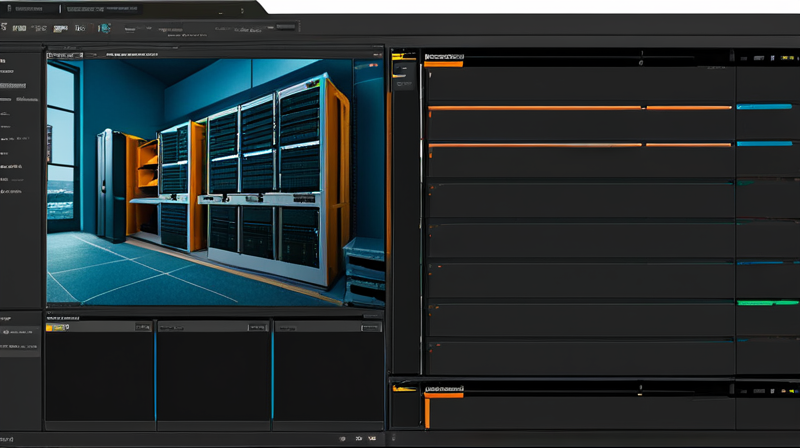
Unlike standalone tools, this platform acts as an intelligent AI agent that orchestrates complex media workflows from start to finish. According to reports compiled by the news platform Times of AI, the system relies heavily on Google’s existing power tools, including the Veo video generator and Imagen image synthesis models. This deep integration allows users to build, adjust, and polish their projects without ever leaving the chat environment.
The system is built to facilitate direct, natural-language adjustments to media. Here is how the workflow is designed to function:
- Conversational Editing: Instead of using complex timelines and traditional editing software, creators can modify video elements simply by typing instructions directly into the chat.
- Remixing Options: Users can seamlessly blend different video styles, swap backgrounds, or adjust lighting conditions using simple conversational prompts.
- Reusable Identity Systems: The platform supports custom AI avatars and templates, allowing creators to maintain visual consistency across multiple projects.

The Technology Behind the Multimodal Operating Layer
To appreciate the potential of Gemini Omni, it is helpful to look at how Google is structuring its AI services. Rather than deploying disconnected applications for text, audio, and video, the tech giant is positioning Gemini as a unified operating layer. This means that different media formats are processed simultaneously, allowing for true multimodal interaction. For instance, a user could upload an audio track and ask the AI to generate a matching video sequence that aligns perfectly with the rhythm and tone of the sound.
This shift has major implications for the broader market. As reported by financial outlets like CNBC, tech enterprises are increasingly prioritizing systems that consolidate workflows to reduce operational costs and boost efficiency. By housing video generation, avatar creation, and conversational editing under one roof, Google is positioning itself to capture a significant share of the enterprise creative market, competing directly with specialized creative software suites.
Strategic Implications for Digital Creators and Businesses
For digital marketing agencies, corporate communication teams, and independent creators, the arrival of an all-in-one creative agent represents a major turning point. The traditional bottleneck in video production has historically been the post-production phase. This includes editing, color grading, and tedious revisions.
By introducing conversational editing, the platform drastically lowers the technical barrier to entry. Consequently, team members without formal video editing training can produce high-quality media assets quickly. This levels the playing field for smaller teams.
Furthermore, the inclusion of reusable identity systems and AI avatars means that brands can scale their video content production exponentially. Instead of scheduling costly video shoots for every minor update, companies can deploy custom avatars to deliver localized product announcements, training materials, or customer support guides in real time.
Comparing Proprietary Ecosystems with Open-Source Alternatives
While Google continues to build out its highly integrated, proprietary ecosystem, the broader AI industry is also seeing a powerful push toward open-source alternatives. For example, Switzerland recently launched Apertus, an open-source national Large Language Model trained exclusively on public data in compliance with European copyright laws. This highlights a growing divergence in the market: on one side, massive, all-in-one proprietary platforms like Google’s; on the other, highly transparent, open-source models designed for local hosting and maximum data privacy.
For businesses analyzing their long-term digital asset strategies, choosing between these two paths is critical. Proprietary systems offer unmatched convenience, speed, and cross-tool integration, making them ideal for rapid content generation. However, organizations with strict compliance, data sovereignty, or privacy requirements may find themselves leaning toward localized, open-source models where they retain complete control over their training data and model weights.
Frequently Asked Questions
1. What is Gemini Omni?
It is an upcoming multimodal AI creation platform developed by Google. It integrates video generation, conversational editing, and custom AI avatars into a single, chat-based interface within the Gemini ecosystem.
2. How does conversational editing work?
Instead of using traditional video editing software, users can type natural-language commands directly into a chat window to modify video clips, apply templates, or remix visual styles.
3. When is Gemini Omni expected to launch?
Based on recent leaks and online reports, Google is expected to showcase or officially introduce the platform around the Google I/O 2026 conference.
4. What underlying technologies does the platform use?
The system reportedly leverages Google’s advanced creative tools, including the Veo video generation model, Imagen image generation models, and the core Gemini LLM architecture.
Conclusion: Key Takeaways for Investors
The development of Gemini Omni signals a profound shift from single-purpose tools to comprehensive, conversational AI agents capable of managing complex, multi-layered media workflows. By unifying video generation, conversational editing, and digital avatars, Google is defining the future of multimodal AI creation.
For businesses and investors tracking financial technology trends, staying ahead of these creative technologies is highly useful to remaining competitive in a digital-first economy. However, keeping pace requires continuous monitoring of external developments, such as updates from Bloomberg.
To explore more about how emerging technologies are reshaping the financial and digital landscape, stay connected with finvestech.in.
Editorial Note
Articles published on Finvestech.in are researched using reputable public sources, official announcements, regulatory publications, industry reports, and other credible references.
Artificial Intelligence is used to assist with research, drafting, structuring, language refinement, and editorial workflows. Every article is subsequently reviewed, verified, and refined to improve clarity, accuracy, readability, and overall usefulness before publication.
Our objective is to provide educational, practical, and well-researched content that helps readers better understand finance, investing, artificial intelligence, technology, cryptocurrency, automation, and digital business.
The information published on Finvestech.in is intended solely for educational and informational purposes and should not be interpreted as financial, investment, legal, tax, or professional advice. Readers should always conduct their own research and consult qualified professionals before making important financial or business decisions.