
Introduction: The Dawn of Stablecoin Regulation
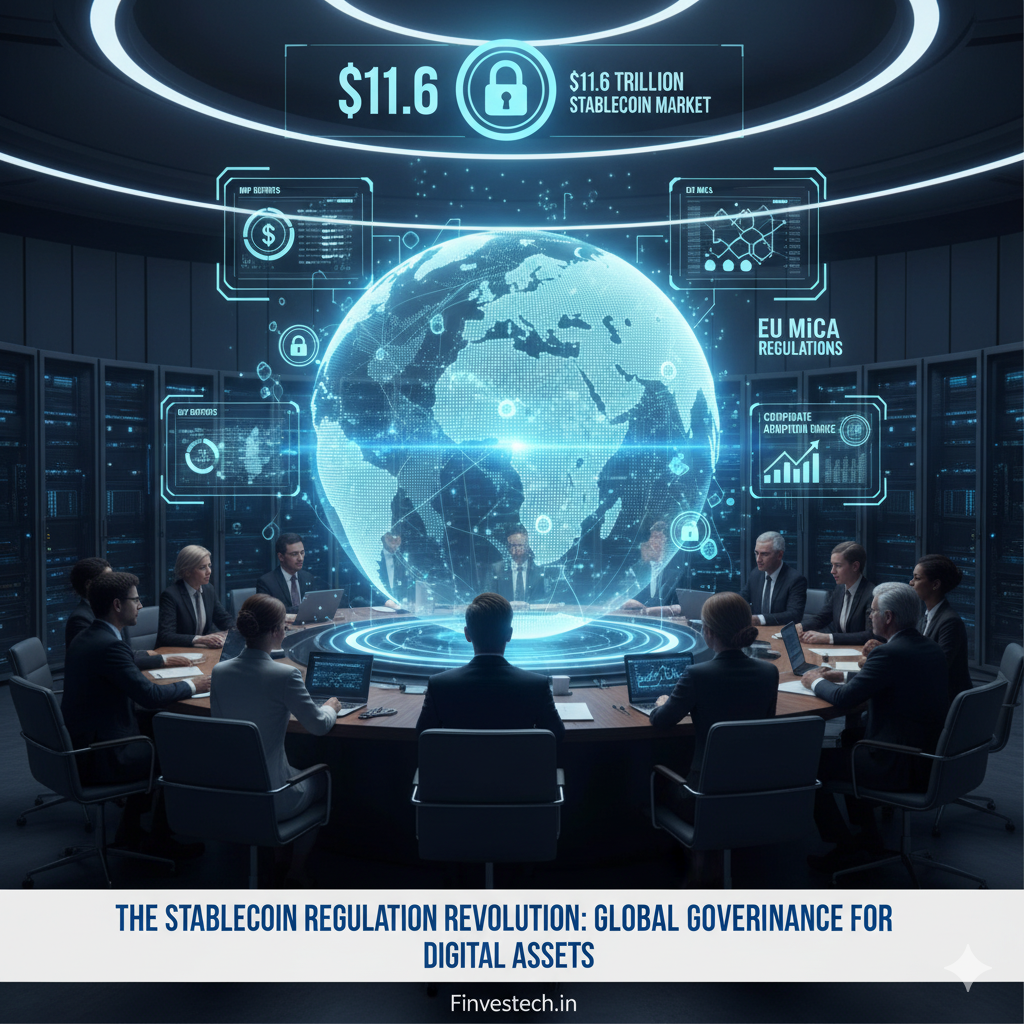
Stablecoins have rapidly evolved from niche digital assets to a cornerstone of the global financial ecosystem. As their adoption accelerates, regulatory frameworks are emerging to address risks and unlock their full potential. This guide provides a gold-standard, comprehensive analysis of the stablecoin regulation revolution, with actionable insights for investors, businesses, and policymakers.
IMF Reports: Global Perspectives and Policy Recommendations
The International Monetary Fund (IMF) has been at the forefront of analyzing stablecoin risks and opportunities. Recent IMF reports highlight:
- Systemic Risk Management: Stablecoins, if unregulated, could threaten financial stability by enabling rapid capital flows and undermining monetary policy.
- Global Coordination: The IMF urges international cooperation to prevent regulatory arbitrage and ensure consistent standards across jurisdictions.
- Key Recommendations:
- Implement robust reserve requirements and regular audits.
- Mandate transparency in stablecoin operations and governance.
- Establish clear legal frameworks for redemption rights and consumer protection.
Example: The IMF’s 2024 report cited the collapse of algorithmic stablecoins as a cautionary tale, emphasizing the need for asset-backed models and real-time oversight.
Actionable Insight: Investors should prioritize stablecoins with transparent reserves and regulatory compliance, as these are likely to gain mainstream acceptance.
G7 Initiatives: Setting the Global Regulatory Agenda
The G7 nations have taken a proactive stance on stablecoin regulation, recognizing their cross-border impact. Key initiatives include:
- G7 Working Group on Stablecoins: Established to harmonize regulatory approaches and share best practices.
- Public-Private Collaboration: Engaging with industry leaders to balance innovation and risk mitigation.
- Key Outcomes:
- Consensus on the need for licensing and supervision of stablecoin issuers.
- Commitment to anti-money laundering (AML) and counter-terrorism financing (CTF) standards.
- Support for interoperability between national regulatory frameworks.
Example: The G7’s 2025 communique outlined a roadmap for global stablecoin oversight, influencing policy in both developed and emerging markets.
Actionable Insight: Businesses operating internationally should monitor G7 policy developments to ensure compliance and anticipate regulatory shifts.
Corporate Adoption Surge: How Businesses Are Embracing Stablecoins
Corporations are increasingly integrating stablecoins into their operations, driven by benefits such as faster settlements and reduced transaction costs. Notable trends include:
- Payment Solutions: Major firms like PayPal and Visa now support stablecoin transactions, enabling seamless cross-border payments.
- Treasury Management: Companies are using stablecoins for liquidity management and hedging against currency volatility.
- Key Drivers:
- Lower fees compared to traditional banking systems.
- Instant settlement and 24/7 availability.
- Enhanced transparency and auditability.
Example: In 2025, a Fortune 500 company announced the use of USDC for supplier payments, citing improved efficiency and cost savings.
Actionable Insight: Enterprises should assess stablecoin integration for treasury and payment functions, while ensuring compliance with evolving regulations.

EU MiCA Regulations: A Blueprint for Global Standards
The European Union’s Markets in Crypto-Assets (MiCA) regulation is setting a benchmark for stablecoin oversight. Key provisions include:
- Licensing Requirements: Stablecoin issuers must obtain authorization and meet stringent capital and governance standards.
- Consumer Protections: MiCA mandates clear disclosure of risks, redemption rights, and complaint mechanisms.
- Supervisory Framework: The European Securities and Markets Authority (ESMA) will oversee compliance and enforcement.
Example: MiCA’s implementation in 2024 led to the delisting of non-compliant stablecoins from major European exchanges, reinforcing the importance of regulatory alignment.
Actionable Insight: Investors and issuers targeting the EU market must align with MiCA requirements to avoid disruptions and capitalize on new opportunities.
Investment Implications: Navigating the New Regulatory Landscape
Regulatory clarity is transforming the stablecoin investment landscape. Key considerations for investors include:
- Risk Assessment: Regulatory-compliant stablecoins are less likely to face legal challenges or sudden delistings.
- Portfolio Diversification: Stablecoins can serve as a hedge against volatility in traditional crypto assets.
- Yield Opportunities: Regulated DeFi platforms are offering stablecoin-based lending and staking products with attractive returns.
Example: Post-MiCA, European institutional investors increased allocations to regulated stablecoins, citing enhanced security and transparency.
Actionable Insight: Investors should conduct due diligence on stablecoin issuers, focusing on regulatory status, reserve transparency, and audit history.
Conclusion: The Future of Stablecoin Regulation
The stablecoin regulation revolution is reshaping the digital asset landscape. With global coordination, robust oversight, and growing corporate adoption, stablecoins are poised to become a trusted pillar of the financial system. Stakeholders who stay informed and adapt to regulatory changes will be best positioned to thrive in this new era.
