
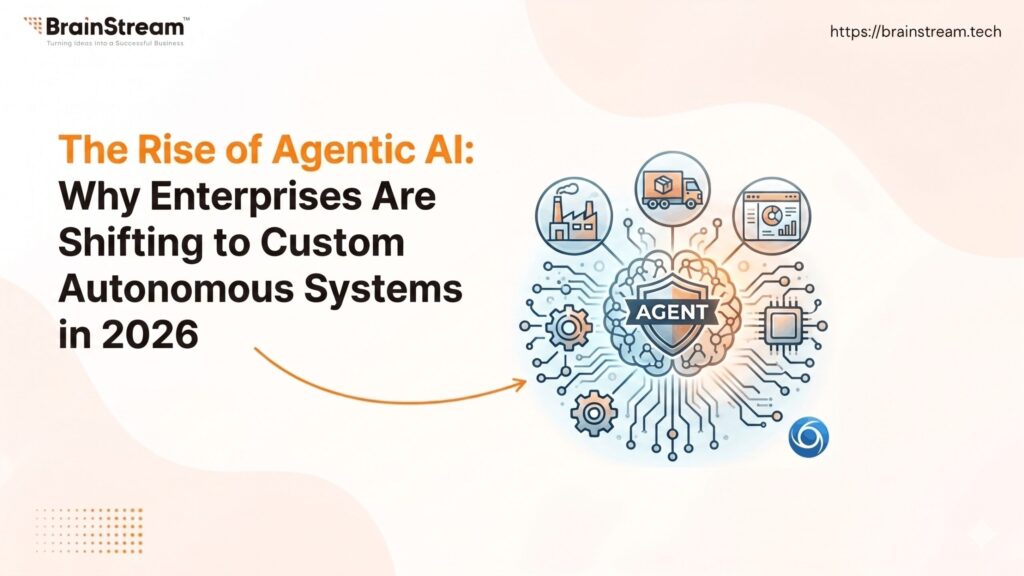

In May 2026, the digital landscape has shifted from traditional search to generative synthesis. Generative Engine Optimization (GEO) and GEO strategies 2026 are now the most critical components of AI search visibility. As users move away from scrolling through blue links and toward interacting with LLMs like Gemini and Perplexity, LLM optimization has become the new standard for digital growth. To maintain Gemini search ranking and Perplexity SEO, brands must adapt to Search Everywhere Optimization. This transition ensures your brand remains authoritative in an era where AI agents mediate online interactions. Understanding GEO strategies 2026 is no longer optional; it is the foundation of modern digital marketing and AI search visibility in a hyper-connected world.
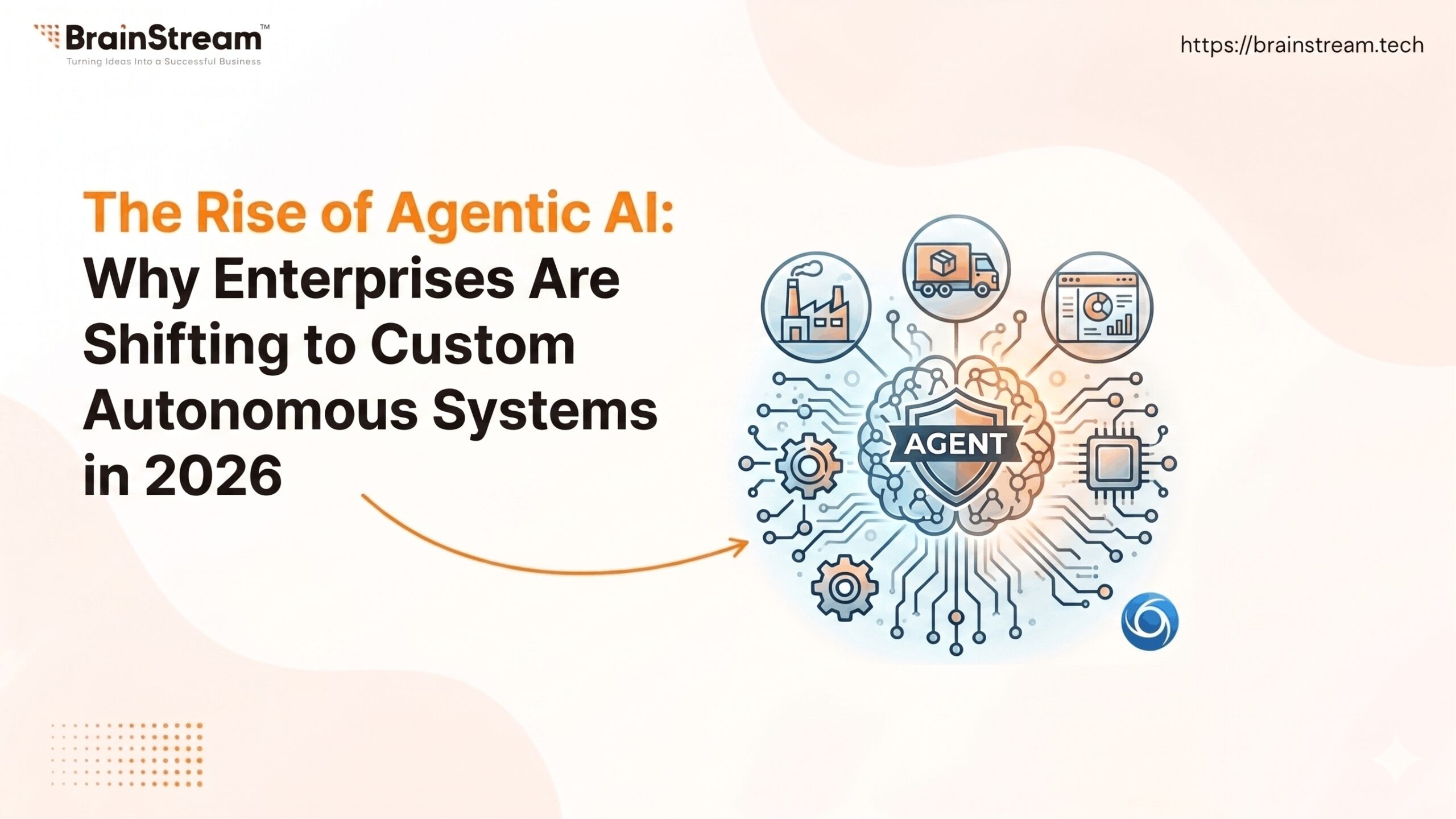
The Core Pillars of GEO: From Links to Citations
For two decades, SEO was built on backlinks and keyword matching. However, in 2026, the “Citation Economy” has taken over. Generative Engine Optimization (GEO) focuses on how AI models—ranging from GPT-5 to Google’s Gemini—perceive and cite your brand. Unlike traditional search engines that rank pages, generative engines synthesize answers from multiple sources. This means being the “primary citation” in a synthesized response is now more valuable than being ranked #1 on a static list.
To succeed, businesses must shift toward entity authority. AI models are trained to look for consensus. If your brand is mentioned across high-authority platforms like LinkedIn and industry journals as a leader, the AI is more likely to include you in its generated answers. This is a core part of The Rise of Agentic AI, where agents autonomously seek out the most reliable information to present to users.
Positive sentiment and expert-backed data points are the new “link juice.” Companies prioritizing original research will find themselves at the top of citation lists. Modern LLMs analyze context deeply; brands relying on recycled content will fade, while those providing unique insights will dominate the AI-driven discovery layer. The focus is no longer on mere visibility, but on being a trusted component of the AI’s knowledge base.
Technical Implementation: Making Your Content LLM-Ready
Technical GEO requires a “Machine-First” approach to web architecture. One significant change is the adoption of the llms.txt standard. Similar to robots.txt, llms.txt provides a markdown-formatted summary of your site’s most critical information for LLM consumption. This allows AI crawlers to quickly extract facts, prices, and specifications without parsing complex HTML structures. It’s a bridge between human-readable content and machine-extractable data.
Server-Side Rendering (SSR) has also returned as a critical requirement. As LLM crawlers like GPTBot prioritize speed and raw data, websites relying on client-side JavaScript risk being ignored. By delivering a fully rendered HTML payload, you ensure AI agents can easily index your content. This is particularly relevant for Generative AI Finance Applications, where real-time data accuracy is non-negotiable for investment decisions.
Structured data via JSON-LD remains the language of search but has become deeper. In 2026, we use schema markup to define entity relationships. Using the sameAs attribute to link your brand’s profile to authoritative databases provides the “contextual bridge” AI engines need to verify your authority. According to Search Engine Land, sites with comprehensive schema mapping see significantly higher citation rates in AI search summaries.
Content Architecture: The “Answer-First” Strategy
The way we structure articles has changed to match how LLMs extract information. The most successful architecture in 2026 follows the “Answer Block” pattern. Every high-value page should begin with a concise, 2-3 sentence direct answer to the user intent, followed by a bulleted TL;DR summary. This structure makes it incredibly easy for an AI agent to “clip” your content and use it as the definitive answer in a search overview.
Information gain is another critical metric. If your article provides the same information as ten other sites, the AI has no reason to cite you specifically. Including original data, a unique framework, or a first-hand expert interview provides the “information gain” AI values. Modern models detect fluff easily and prioritize content with a high information-to-word-count ratio, making dense, factual writing more valuable than ever before.

Heading hierarchy also plays a key role. Instead of generic headings, modern GEO uses headings mirroring conversational prompts. For example, instead of “Technical Details,” use “How to implement GEO technically in 2026?” This aligns your content with natural language queries users type into AI assistants. It’s a subtle way to signal to the LLM that your content is the most relevant answer to a user’s specific question.
Measuring Success in the Generative Era
In 2026, the most important metric is “AI Citation Share.” This tracks how often your brand is cited in responses from ChatGPT, Gemini, and Perplexity across target topic clusters. Tools like Google Search Console have evolved to show “Generative Impressions,” giving webmasters insight into how often their content powers AI-generated answers. This shift moves the focus from quantity of clicks to quality of influence and authority.
Referral traffic from AI is another key metric. While many feared “zero-click” searches, high-quality citations in an AI summary actually drive more qualified traffic. Users coming from a Perplexity citation are often further down the sales funnel than those who clicked a random blue link. As noted in Forbes, the focus has shifted toward measuring the actual impact of these AI-led interactions.
Finally, we must monitor “Brand Sentiment Accuracy.” Since AI agents summarize your brand, it’s vital to ensure they aren’t misrepresenting your services. Regular audits of AI responses are now standard for content managers. If an AI is consistently getting your pricing or features wrong, it’s a sign that your technical structured data or “About Us” pages need to be more clear and extractable for machine readers.
Conclusion: Embracing the Agentic Future
Generative Engine Optimization is the inevitable evolution of information interaction. As we move deeper into 2026, the boundaries between search engines and personal AI assistants will continue to blur. By implementing robust GEO strategies today—focusing on technical extractability, entity authority, and “answer-first” content—you position your brand to thrive. The future belongs to those who provide the most value to both humans and the AI agents serving them. Stop optimizing for algorithms and start optimizing for true understanding.