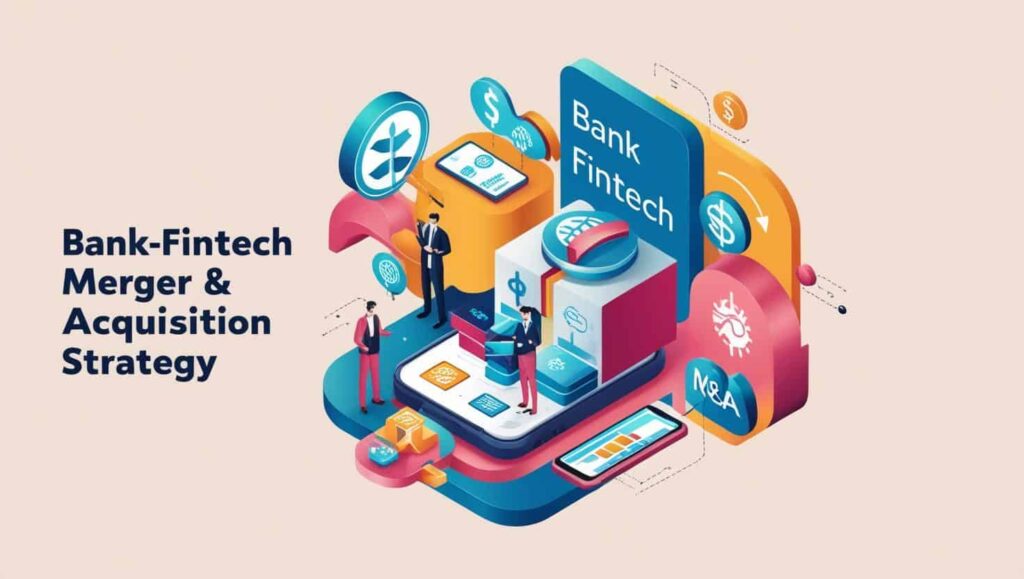

The global fintech landscape in May 2026 is witnessing an unprecedented surge in merger and acquisition activity, signaling a fundamental shift from aggressive expansion to strategic consolidation. Investors are closely watching as the Fintech M&A 2026 boom redefines market leadership through a series of high-stakes deals aimed at creating end-to-end intelligent commerce ecosystems. This massive consolidation strategy is driven by the need for deeper integration of artificial intelligence and unified data architectures, as seen in the recent Adyen Talon.One acquisition and the Sage Doyen AI merger. As banking technology trends 2026 continue to evolve, these strategic moves are not just about scale but about acquiring the precise technical capabilities required to dominate a more mature and competitive digital economy. For those seeking investment opportunities fintech, understanding the underlying drivers of these consolidations is essential. The current wave of Fintech M&A 2026 represents a critical turning point where the winners are those who can seamlessly blend payments, loyalty, and agentic AI into a single, cohesive user experience. This consolidation strategy is proving that in 2026, the most valuable assets are those that facilitate intelligent, automated financial decision-making for both consumers and enterprises alike.
The New Era of Intelligent Commerce: Adyen and Pine Labs Lead the Charge
The recent acquisition of Berlin-based loyalty platform Talon.One by Dutch payments giant Adyen for €750 million marks a significant milestone in the evolution of “intelligent commerce.” By integrating Talon.One’s real-time promotion and loyalty engine directly into its global payments infrastructure, Adyen is moving beyond simple transaction processing. This deal allows merchants to create a consistent customer identity across all channels, dynamically adjusting pricing and rewards at the moment of checkout. Similarly, India-headquartered Pine Labs has bolstered its e-commerce stack by acquiring Shopflo, a checkout optimization platform. These moves highlight a broader trend where payments providers are no longer content with just collecting money; they want to convert shoppers through superior, data-driven experiences. Investors should view these acquisitions as a sign that the “checkout” is becoming the most contested real estate in the fintech world, where speed, personalization, and seamless integration are the primary metrics of success.
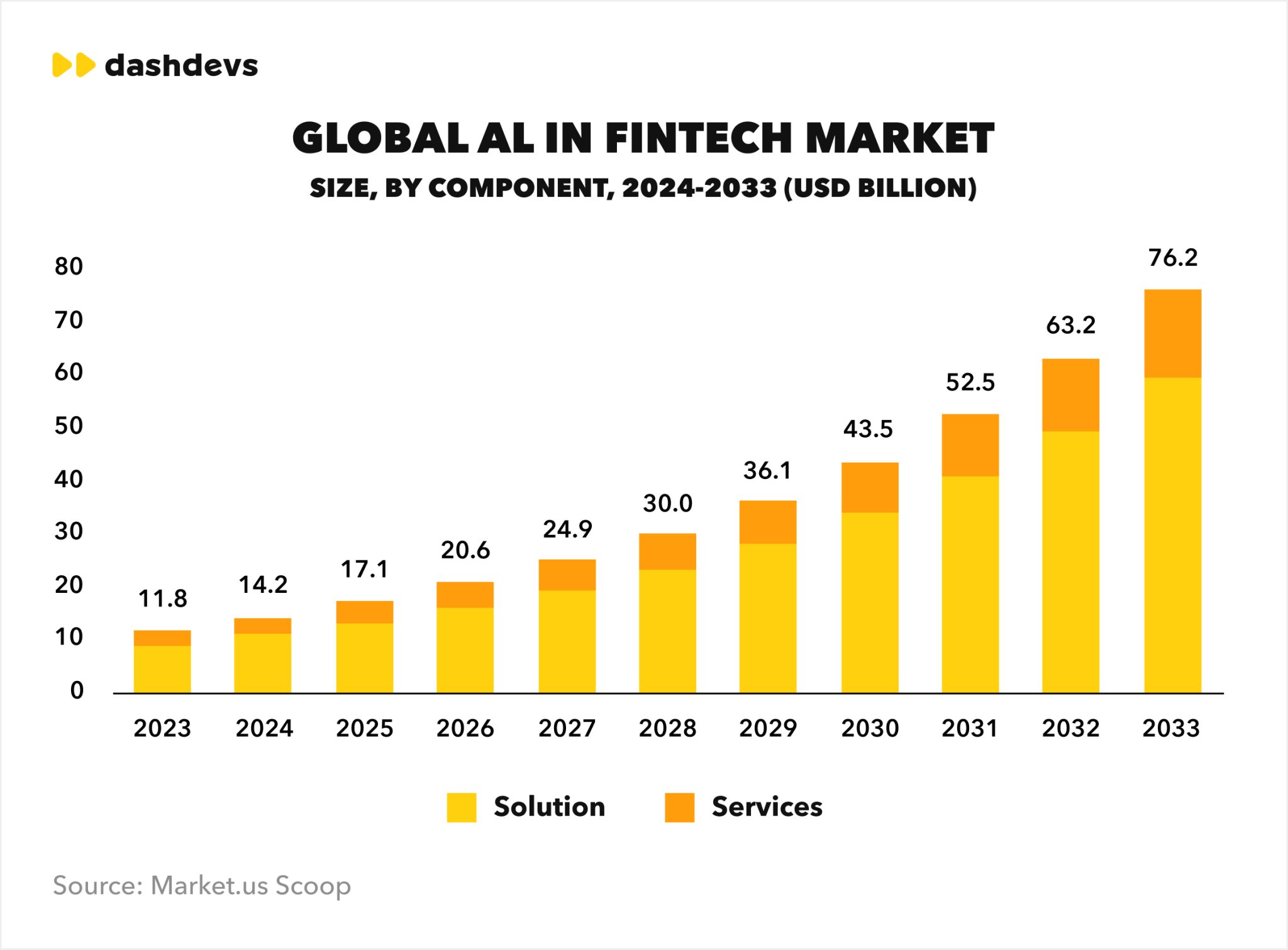
Agentic AI as an M&A Catalyst: Why Sage is Betting on Doyen AI
In the enterprise sector, the focus has shifted toward “agentic AI”—autonomous systems capable of handling complex financial tasks without constant human intervention. Sage’s acquisition of Doyen AI in early May 2026 is a prime example of this trend. Doyen AI specializes in accelerating ERP data migrations and automating back-office go-lives, a traditional bottleneck for small and mid-sized businesses. By folding this technology into its core platform, Sage is enabling its users to deploy AI agents that autonomously manage payment reminders, approvals, and reconciliation. This acquisition follows Sage’s previous purchase of Akao, further solidifying its position in the AI-native accounting space. For more insights on this technology, you can read our previous analysis of Agentic AI in Banking which explores how these autonomous systems are reshaping decision-making. The goal is to move from reactive software to proactive financial partners, a transition that requires the deep technical expertise found in specialized AI startups.
Banking Giants Reclaim the Stack: The Strategic Buyback of ANZ Worldline
While some firms are acquiring new tech, others are strategically buying back control of their digital infrastructure. The decision by Australian banking leader ANZ to acquire full ownership of its joint venture with Worldline for approximately $89 million is a clear indication of this “reclamation” strategy. In the early 2020s, many banks outsourced their merchant services to specialized fintech partners to keep pace with innovation. However, in 2026, the direct relationship with the merchant has become too valuable to share. By owning the entire payment stack, ANZ can better align its merchant services with its broader 2030 digital strategy, offering a more compelling proposition to small and institutional clients alike. This trend of banks reclaiming their digital touchpoints is also discussed in our guide on Navigating Volatility with Smart Investment Strategies, emphasizing the importance of infrastructure control. It represents a maturation of the bank-fintech relationship, moving from experimental partnerships to full-scale internal integration.
Investment Implications: Identifying Undervalued Fintech Targets in 2026
For investors, the 2026 M&A boom offers a unique opportunity to identify undervalued targets before they are scooped up by industry titans. The current market rewards companies that possess “moat-heavy” technology—proprietary data sets, specialized AI models, or deeply embedded workflow tools. Companies in the RegTech and LendTech sectors are particularly attractive, as evidenced by Versana’s recent $43 million funding round and Kashable’s $60 million Series C led by Goldman Sachs. These firms provide the essential plumbing for the next generation of financial services. Furthermore, with the S&P 500 and Nasdaq hitting record highs, there is ample capital available for strategic acquisitions. Investors should look for firms that solve specific, high-friction problems—such as cross-border compliance or real-time credit scoring—as these are the most likely candidates for the next wave of consolidation. The key is to find companies that are not just “nice to have” but essential for the “intelligent commerce” ecosystems being built by the likes of Adyen and Sage.
The Road Ahead: Building Resilient Financial Ecosystems
The consolidation we are seeing today is not merely a financial exercise; it is a structural rebuilding of the global financial system. By 2026, the distinction between a “bank,” a “payment processor,” and a “software provider” has almost entirely blurred. The successful firms of the future will be those that offer a comprehensive ecosystem where data flows seamlessly between commerce, banking, and accounting modules. This evolution is mirrored in the retail sector as well, as noted in reports from FinTech Futures and Fintech Finance. As we look toward the second half of 2026, expect to see even more cross-industry deals as traditional finance firms and big tech companies compete to own the primary interface for financial life. The M&A boom is far from over; it is simply entering its most sophisticated phase yet, where technical synergy is the ultimate prize.
In conclusion, the Fintech M&A 2026 surge is a testament to the industry’s resilience and its relentless drive toward innovation. Whether it is through the integration of agentic AI, the expansion of intelligent commerce, or the strategic buyback of core infrastructure, the goal remains the same: to create a more efficient, automated, and user-centric financial world. Investors who can navigate this landscape by identifying firms with strong technical foundations and clear paths to integration will be well-positioned to capitalize on this historic wave of consolidation. As the market continues to mature, the focus will remain on building resilient, data-driven ecosystems that can withstand volatility while delivering consistent value to all stakeholders in the digital economy.



Pingback: India's BFSI Sector: Why Clean Balance Sheets are Fueling a New Credit Cycle in 2026
Pingback: The 100% FDI Shift in Indian Insurance: A New Era for Investors and Policyholders in 2026
Pingback: RBI's New CET1 Capital Strength Rules: A Game-Changer for Indian Banks in 2026
Pingback: The Great Shift: Why Indian Public Sector Banks are Betting Big on Wealth Management in 2026