
Introduction to Blockchain Supply Chain Verification Systems
In the modern global economy, tracking the origin and journey of goods is more critical than ever. Blockchain supply chain verification systems provide an immutable, decentralized solution to the persistent challenges of counterfeiting, administrative errors, and cargo theft. By utilizing distributed ledger technology logistics, enterprises can record every step of a product’s journey, from raw material sourcing to final consumer delivery. This cryptographic framework ensures that once data is written to the ledger, it cannot be altered or deleted without consensus from the network participants.
By implementing blockchain supply chain verification systems, companies move away from siloed databases that are vulnerable to single points of failure and unauthorized manipulation. Instead, they gain a unified, transparent view of the entire lifecycle of a product. Recent developments in decentralized supply chain security have made it possible to integrate physical tracking hardware, such as IoT sensors and RFID tags, directly with cryptographic networks. This integration bridges the gap between physical assets and digital records, offering unprecedented visibility.
Ultimately, blockchain supply chain verification systems are transforming global trade. By using smart contracts in supply chain workflows, businesses can automate complex multi-party agreements, verify customs compliance instantly, and trigger automatic payments upon successful delivery. This eliminates administrative delays and reduces the reliance on intermediaries, paving the way for a more resilient and efficient global distribution network.
Why Traditional Logistics Tracking Falls Short
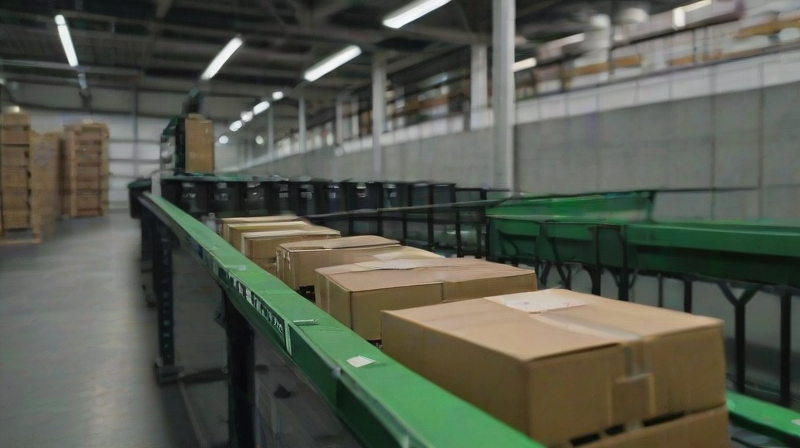
Traditional supply chain management relies heavily on fragmented, paper-based records and disparate digital databases. When goods move across international borders, they pass through a complex web of freight forwarders, customs brokers, ocean carriers, and local distributors. Each entity maintains its own isolated record-keeping system. This lack of interoperability creates massive blind spots, making it incredibly difficult to trace the exact origin of a contaminated food shipment or identify where counterfeit electronics entered the market.
Furthermore, centralized databases are highly susceptible to data manipulation and cyberattacks. A malicious actor with administrative access can easily alter shipping manifests, change origin details, or falsify quality certificates to pass off substandard goods as premium products. This vulnerability not only costs global industries billions of dollars annually but also poses severe public safety risks in sectors like pharmaceuticals and aerospace components.
According to reports from international trade organizations, administrative friction and document verification delays account for a significant portion of total shipping times. Traditional systems require manual checks of physical bills of lading, certificates of origin, and compliance forms. The absence of a single source of truth leads to disputes, delayed shipments, and high administrative overhead that ultimately raises costs for the end consumer.

How Blockchain Secures the Global Supply Chain
At the core of blockchain supply chain verification systems is the concept of a shared, immutable ledger. Every participant in the network—from the raw material supplier to the retail store manager—has a copy of the ledger. When a transaction occurs, such as a transfer of ownership or a quality inspection check, it is packaged into a block, cryptographically secured, and broadcast to the network. Once validated by the consensus mechanism, the block is permanently appended to the chain, creating an unalterable audit trail.
This decentralized supply chain security model ensures that no single entity can alter historical records. If a bad actor attempts to tamper with a record on one node, the change will be rejected by the rest of the network during the consensus process. This makes the system virtually immune to localized data manipulation, providing an unprecedented level of trust and accountability among trading partners who may not fully trust one another.
Moreover, the integration of crypto tracking solutions allows for real-time asset tracking with absolute precision. By assigning a unique digital twin (in the form of a non-fungible token or cryptographic hash) to a physical asset, companies can track its location, temperature, humidity, and handling conditions throughout its entire journey. Any deviation from pre-set parameters is instantly recorded on the blockchain, alerting stakeholders immediately.
The Role of Smart Contracts in Automating Compliance
One of the most powerful features of modern blockchain supply chain verification systems is the deployment of smart contracts in supply chain management. Smart contracts are self-executing agreements with the terms of the contract directly written into lines of code. They run automatically on the blockchain when specific, verifiable conditions are met, eliminating the need for manual oversight and third-party verification.
For example, a smart contract can be programmed to release payment to a carrier automatically once an IoT sensor confirms that a shipment of temperature-sensitive vaccines has arrived at its destination warehouse without ever exceeding critical temperature thresholds. This automated verification reduces payment cycles from weeks to minutes, significantly improving cash flow for logistics providers and reducing administrative disputes.
In addition to financial settlements, smart contracts automate regulatory compliance and quality control. If a batch of raw materials fails an automated laboratory test, the smart contract can instantly flag the batch as non-compliant, prevent it from being assigned to production lines, and notify regulatory bodies. This proactive, automated approach to quality assurance minimizes the risk of product recalls and protects brand reputation.
Real-World Benefits of Decentralized Supply Chain Security
Implementing decentralized supply chain security offers measurable operational benefits across various high-value industries. In the luxury goods and high-end electronics sectors, counterfeit prevention is paramount. By scanning a cryptographic tag linked to a blockchain-based verification system, consumers can instantly verify the authenticity and ethical sourcing of a product before making a purchase, effectively neutralizing counterfeit markets.
In the food and beverage sector, traceability can be a matter of life and death. During a foodborne illness outbreak, traditional tracing methods can take days or even weeks to locate the source of contamination. With a blockchain-enabled system, tracing the origin of a specific ingredient back to the farm of origin takes only seconds. This rapid response capability allows retailers to perform surgical recalls, removing only the affected batches while keeping unaffected products on the shelves.
Furthermore, the environmental, social, and governance (ESG) benefits are substantial. Consumers and regulators increasingly demand proof of ethical sourcing, such as conflict-free minerals or fair-trade coffee. Blockchain supply chain verification systems provide verifiable proof of origin, allowing companies to back up their sustainability claims with tamper-proof, auditable data rather than vague corporate assertions.
Challenges and the Future of Crypto Tracking Solutions
Despite the clear advantages, the widespread adoption of blockchain supply chain verification systems faces several hurdles. The primary challenge is interoperability. For a blockchain system to be truly effective, all participants in a global supply chain must use compatible standards. Integrating legacy ERP systems with modern distributed ledger technology logistics requires significant initial investment and technical expertise.
Another challenge is the “garbage in, garbage out” dilemma. While the blockchain ensures that data cannot be altered once recorded, it cannot inherently verify that the physical data entered at the point of origin was accurate in the first place. This makes the integration of secure, tamper-proof IoT sensors and hardware-level security modules critical to ensuring the integrity of the initial data entry.
Looking ahead, the future of logistics lies in the convergence of blockchain, artificial intelligence, and IoT. As machine learning algorithms analyze the vast pools of structured, tamper-proof data generated by blockchain networks, they will be able to predict supply chain disruptions, optimize shipping routes, and dynamically adjust inventory levels with unprecedented accuracy. The transition to decentralized, automated supply chains is no longer a distant prospect—it is actively unfolding.
Frequently Asked Questions
1. What is a blockchain supply chain verification system?
A blockchain supply chain verification system is a decentralized digital ledger that records the movement, ownership, and quality status of goods from origin to destination. It ensures data integrity and prevents tampering by using cryptographic validation across a distributed network of nodes.
2. How do smart contracts improve supply chain logistics?
- They automate multi-party payments upon verifiable delivery.
- They enforce quality control by flagging non-compliant shipments automatically.
- They reduce administrative overhead by eliminating manual document checks.
3. Can blockchain prevent physical counterfeiting entirely?
While blockchain secure the digital records, preventing physical counterfeiting requires pairing the blockchain with secure physical identifiers like tamper-proof RFID tags, cryptographic QR codes, or chemical markers that link the physical item to its digital twin on the ledger.
4. Is blockchain supply chain tracking suitable for small businesses?
Yes. While initial setups were designed for large enterprises, modern cloud-based blockchain-as-a-service (BaaS) platforms have made it affordable and practical for small and medium-sized enterprises to integrate crypto tracking solutions into their existing operations.
Conclusion
The integration of blockchain supply chain verification systems marks a monumental shift in how global commerce operates. By replacing outdated, centralized, and paper-heavy tracking methods with distributed ledger technology logistics, businesses can secure their operations against fraud, ensure regulatory compliance, and build deep trust with their consumer base. As challenges around interoperability and data entry integrity are resolved, decentralized supply chain security will transition from a competitive advantage to an industry standard. Organizations looking to future-proof their logistics operations must begin exploring and adopting these cryptographic solutions today to remain resilient in an increasingly complex global marketplace.
Editorial Note
Articles published on Finvestech.in are researched using reputable public sources, official announcements, regulatory publications, industry reports, and other credible references.
Artificial Intelligence is used to assist with research, drafting, structuring, language refinement, and editorial workflows. Every article is subsequently reviewed, verified, and refined to improve clarity, accuracy, readability, and overall usefulness before publication.
Our objective is to provide educational, practical, and well-researched content that helps readers better understand finance, investing, artificial intelligence, technology, cryptocurrency, automation, and digital business.
The information published on Finvestech.in is intended solely for educational and informational purposes and should not be interpreted as financial, investment, legal, tax, or professional advice. Readers should always conduct their own research and consult qualified professionals before making important financial or business decisions.