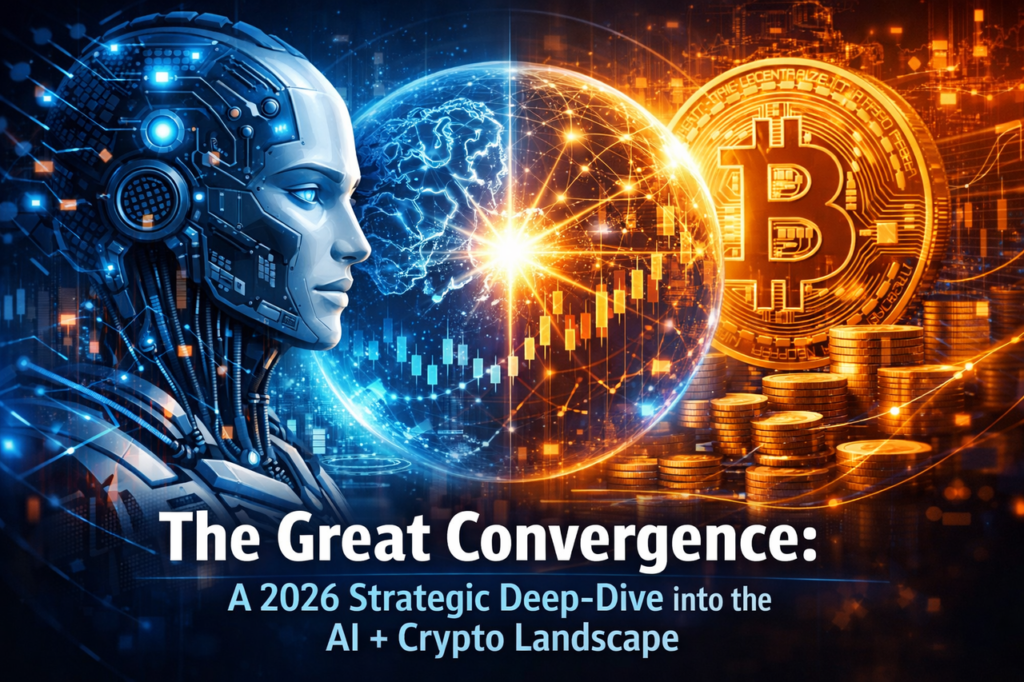

As we navigate through May 2026, the intersection of Artificial Intelligence and blockchain technology has transitioned from speculative hype into a foundational pillar of the global digital economy. Bitcoin remains a stabilizing force, hovering near the $80,000 mark, but the real story is the explosive growth of AI cryptocurrencies. These assets are no longer just tokens; they are the lifeblood of a decentralized computing revolution that is democratizing access to the world’s most valuable resource: GPU compute.
The DePIN Explosion: Secondary Markets for GPU Power
Central to this revolution are Decentralized Physical Infrastructure Networks (DePIN). Protocols like Render and Akash have matured into robust secondary markets, allowing individuals and data centers to lease out their idle GPU capacity to AI researchers and developers. In 2026, this decentralized approach has broken the oligopoly of major cloud providers, offering a scalable and cost-effective alternative for training large language models.
The efficiency of these markets is driven by the transparency of the blockchain, where smart contracts handle everything from resource allocation to instant payments. This “compute-as-a-service” model has become essential as the demand for AI processing power continues to outpace traditional supply chains.
The Agentic Economy: When AI Agents Become Blockchain Users
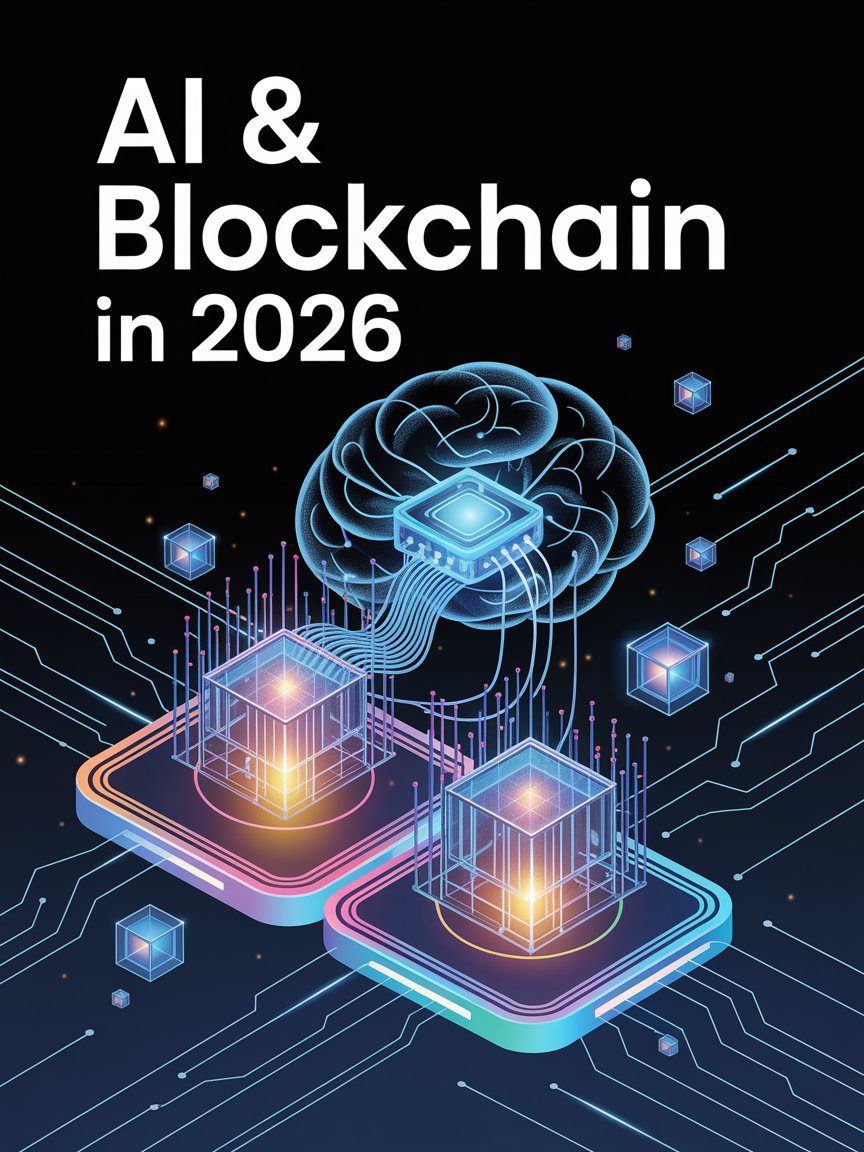
Perhaps the most significant shift in 2026 is the rise of the “Agentic” economy. We have moved beyond humans using AI; now, autonomous AI Agents are the primary users of blockchain networks. These agents are programmed to perform complex tasks—from high-frequency trading to data analysis—and they require a frictionless, permissionless medium of exchange to operate.
Cryptocurrencies provide the perfect infrastructure for these agents. They can hold their own wallets, execute smart contracts, and pay for services without human intervention. This has created a self-sustaining ecosystem where AI agents earn, spend, and even invest in decentralized protocols, further tightening the integration between AI and crypto.
Structural Maturity and the Path Forward
The structural maturity of AI crypto projects in 2026 is evident in their institutional adoption. Real-world use cases, such as decentralized model governance and verifiable AI training, have provided a level of utility that was missing in previous cycles. As regulatory frameworks become clearer, the synergy between decentralized ledger technology and artificial intelligence is poised to redefine the internet’s architecture.
For investors and enthusiasts, the message is clear: the AI cryptocurrency sector is no longer a niche corner of the market. It is the engine driving the next phase of the computing revolution, fueled by the need for open, accessible, and decentralized intelligence.