
The Technology Behind Digital Assets
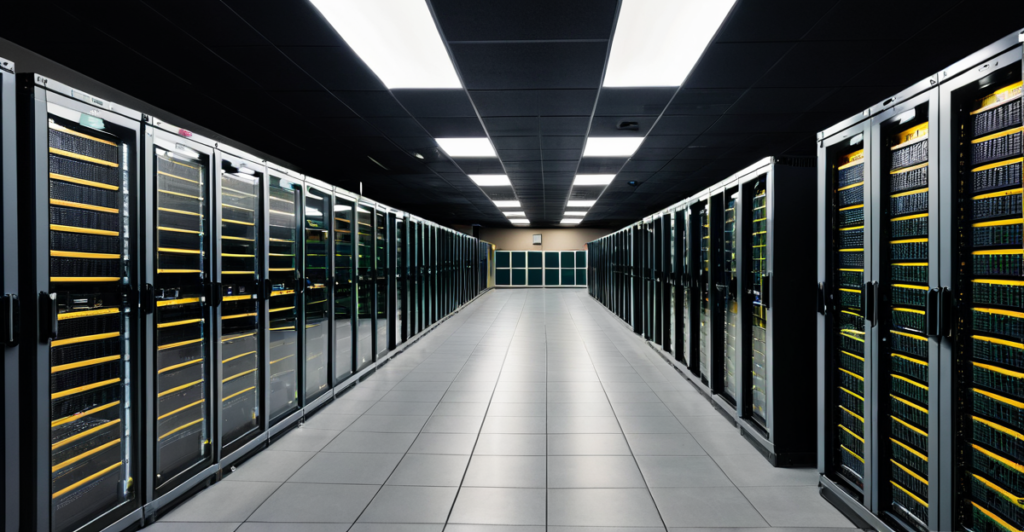
Digital assets operate on blockchain technology, a decentralized ledger that records transactions across a network of computers. This system relies on public-key cryptography to secure transactions, where each user has a pair of keys: a public key for receiving assets and a private key for authorizing transfers. The cryptographic nature ensures that transactions are tamper-proof and verifiable, eliminating the need for centralized authorities like banks.
According to the principles of public-key cryptography, key signing parties were historically used to verify identities in person. While these events are less common today, the underlying technology remains foundational. Blockchain networks like Bitcoin and Ethereum use proof-of-work or proof-of-stake mechanisms to validate transactions, ensuring consensus without intermediaries. This decentralization is what sets digital assets apart from traditional financial systems.
How Mining Powers the Network
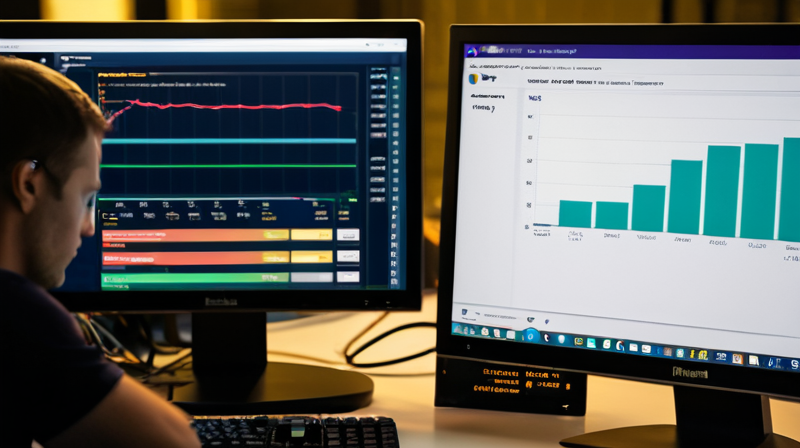
Mining is the process by which new digital assets are created and transactions are validated on a blockchain. In proof-of-work systems like Bitcoin, miners compete to solve complex mathematical puzzles using specialized hardware. The first miner to solve the puzzle adds a new block to the blockchain and is rewarded with newly minted assets. This process consumes significant computational power and energy, which has led to debates about its environmental impact.
Recent data suggests that mining operations have evolved to use renewable energy sources, reducing their carbon footprint. However, the energy-intensive nature of proof-of-work remains a challenge. Alternatives like proof-of-stake, used by networks such as Ethereum, rely on validators who lock up assets as collateral to propose and validate new blocks, drastically reducing energy consumption. Both mechanisms aim to achieve the same goal: a secure, decentralized network.
Decentralized Finance and Smart Contracts
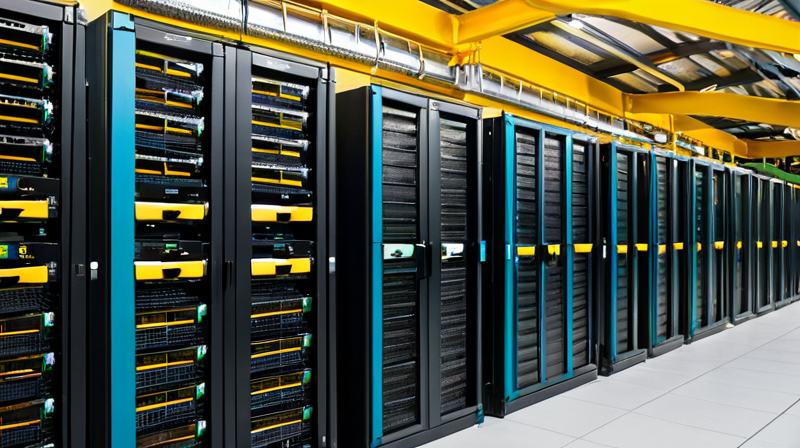
One of the most significant innovations enabled by digital assets is decentralized finance (DeFi). Unlike traditional financial systems, DeFi platforms operate without intermediaries, using smart contracts—self-executing agreements written in code—to automate transactions. These platforms offer services like lending, borrowing, and trading, often with lower fees and greater accessibility than conventional banks.
Smart contracts run on blockchain networks like Ethereum, where they execute predefined conditions without the need for human intervention. For example, a smart contract could automatically release funds to a borrower once collateral is deposited, reducing the risk of default. However, the lack of regulatory oversight in DeFi also introduces risks, such as vulnerabilities in smart contract code that can be exploited by malicious actors. As of 2026, the DeFi ecosystem continues to grow, but users must remain cautious of these risks.
Regulatory Challenges and Market Volatility
Digital assets operate in a regulatory gray area, with governments worldwide adopting varying approaches. Some countries have embraced them as legitimate financial instruments, while others have imposed strict restrictions or outright bans. Regulatory uncertainty can lead to market volatility, as seen in past fluctuations driven by policy announcements. Investors must stay informed about evolving regulations, such as tax implications and compliance requirements, to avoid legal pitfalls.
Market volatility remains a defining characteristic of digital assets. Prices can swing dramatically due to factors like macroeconomic trends, technological advancements, or shifts in investor sentiment. Diversification and risk management are critical strategies for navigating this space. Recent data suggests that institutional adoption of digital assets is increasing, which may contribute to greater stability over time. However, retail investors should approach this market with caution, prioritizing education and due diligence.
The Future of Digital Assets in Finance
As of 2026, digital assets are increasingly integrated into mainstream finance. Major corporations and financial institutions have begun offering digital asset-related services, from custody solutions to investment products. Innovations like central bank digital currencies (CBDCs) are also gaining traction, with several countries exploring their implementation. These developments signal a shift toward broader acceptance, though challenges like scalability and interoperability persist.
The underlying blockchain technology continues to evolve, with advancements like layer-2 solutions and cross-chain interoperability improving transaction speeds and reducing costs. Additionally, the rise of decentralized applications (dApps) is expanding the use cases for digital assets beyond finance, including supply chain management, digital identity, and voting systems. While the future of digital assets remains uncertain, their potential to reshape financial infrastructure is undeniable.
Frequently Asked Questions
1. What role does blockchain play in digital assets?
Blockchain serves as the underlying technology for digital assets, acting as a decentralized ledger that records all transactions. It ensures transparency, security, and immutability, as each transaction is cryptographically linked to the previous one, making it nearly impossible to alter historical records.
2. Are digital assets anonymous?
While digital assets offer pseudonymity—transactions are linked to cryptographic addresses rather than real-world identities—they are not entirely anonymous. Blockchain analysis tools can trace transactions, and regulatory compliance measures like Know Your Customer (KYC) requirements are increasingly being applied to exchanges and service providers.
3. How can investors mitigate risks in this market?
Investors can mitigate risks by:
- Diversifying their portfolio across different assets.
- Using hardware wallets to store private keys securely.
- Staying informed about regulatory developments.
- Conducting thorough research before investing in new projects.
- Avoiding high-leverage trading strategies.
4. What is the environmental impact of mining?
The environmental impact of mining varies by consensus mechanism. Proof-of-work systems, like Bitcoin, consume significant energy, though recent trends show a shift toward renewable energy sources. Proof-of-stake systems, such as Ethereum, are far more energy-efficient, reducing the carbon footprint of blockchain networks.
Conclusion: Key Takeaways for Investors
Digital assets have evolved from niche experiments to significant players in the financial landscape. Their underlying technology—blockchain—offers transparency, security, and decentralization, but it also introduces challenges like regulatory uncertainty and market volatility. As of 2026, innovations like decentralized finance and smart contracts continue to expand their utility, while regulatory frameworks struggle to keep pace.
For investors, understanding the mechanics of digital assets is crucial. Whether exploring mining, DeFi, or long-term holding strategies, prioritizing education, risk management, and compliance will be key to navigating this dynamic space. As the technology matures, digital assets may well redefine the future of finance—but only for those who approach it with caution and informed decision-making.
Stay updated with the latest trends and regulatory changes by following finvestech.in, your trusted source for financial innovation.
Editorial Note
Articles published on Finvestech.in are researched using reputable public sources, official announcements, regulatory publications, industry reports, and other credible references.
Artificial Intelligence is used to assist with research, drafting, structuring, language refinement, and editorial workflows. Every article is subsequently reviewed, verified, and refined to improve clarity, accuracy, readability, and overall usefulness before publication.
Our objective is to provide educational, practical, and well-researched content that helps readers better understand finance, investing, artificial intelligence, technology, cryptocurrency, automation, and digital business.
The information published on Finvestech.in is intended solely for educational and informational purposes and should not be interpreted as financial, investment, legal, tax, or professional advice. Readers should always conduct their own research and consult qualified professionals before making important financial or business decisions.