


As we navigate the middle of 2026, the artificial intelligence landscape is witnessing a seismic shift from massive data centers to localized, brain-inspired hardware. Neuromorphic computing benefits are becoming increasingly apparent as the limitations of traditional Von Neumann architectures reach their physical and energetic peak. This revolutionary brain-inspired computing technology is not just an incremental update; it represents a fundamental rethinking of how machines process information. By mimicking the human brain’s neural structure, neuromorphic hardware for robotics and edge devices is enabling “always-on” intelligence with a fraction of the power required by conventional systems. As the future of low-power AI chips unfolds, the integration of spiking neural networks efficiency into everyday devices is transforming how we interact with technology. From autonomous vehicles to advanced wearables, the transition to neuromorphic computing benefits is the defining tech trend of 2026, marking the end of the energy-hungry GPU era for edge applications. This paradigm shift ensures that intelligence is no longer a centralized commodity but a distributed feature of every smart object in our environment, paving the way for a more responsive and efficient digital future.
What is Neuromorphic Computing?
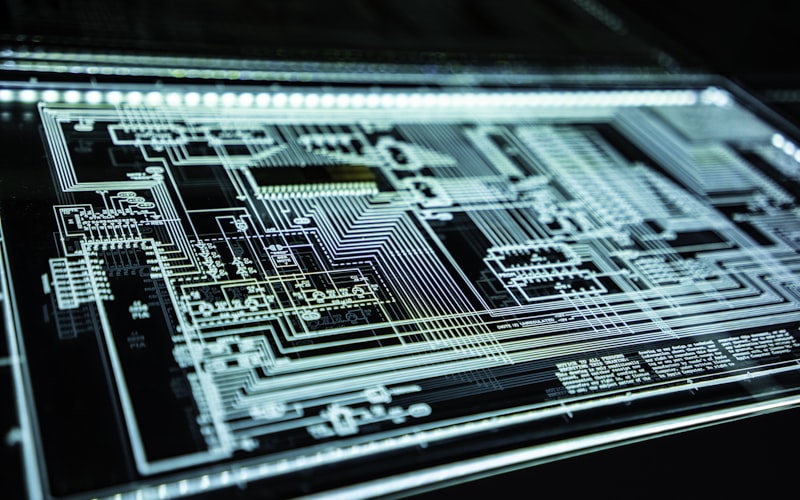
Neuromorphic computing refers to a category of computer architecture explicitly designed to mimic the biological structures and operational principles of the human brain. Unlike traditional CPUs and GPUs that separate memory and processing units—a design known as the Von Neumann architecture—neuromorphic systems integrate these components into artificial neurons and synapses. This integration allows for massive parallelism and event-driven computation, where information is processed only when a specific threshold is met. By 2026, this brain-inspired computing technology has moved beyond the research lab and into commercial production, providing the foundation for a new generation of intelligent devices that can learn and adapt in real-time without needing a constant connection to the cloud.
The beauty of neuromorphic systems lies in their ability to handle “noisy” or incomplete data with biological grace. While traditional computers struggle with ambiguous input, a neuromorphic chip uses interconnected neural pathways to find patterns, much like recognizing a familiar face in a crowd. This makes it ideal for real-world environments where conditions are rarely perfect and speed is critical. Furthermore, the scalability of these architectures allows engineers to tile chips together, creating larger systems that mimic complex brain functions without the massive power drain seen in traditional server farms.
The Efficiency Breakthrough: Spiking Neural Networks
The core of neuromorphic hardware’s success lies in the implementation of Spiking Neural Networks (SNNs). Unlike traditional deep learning models that use continuous mathematical values and require constant power to maintain their state, SNNs communicate via discrete “spikes” of electricity, much like the neurons in our own heads. This spiking neural networks efficiency allows the hardware to remain idle when no information is being processed, consuming virtually zero power during periods of inactivity. This “sparse” processing model is a game-changer for Edge AI applications 2026, where battery life is often the primary constraint for mobile and remote devices. By only “firing” when necessary, neuromorphic chips can process complex sensory data—such as high-speed video or multidimensional audio—while using up to 100 times less energy than traditional deep learning processors.
For instance, consider the challenge of real-time gesture recognition in a pair of augmented reality glasses. Using a traditional GPU, the battery would be drained in less than an hour due to the constant pixel-by-pixel analysis required to track hand movements. In contrast, a neuromorphic processor using SNNs only reacts when pixels change, significantly reducing the computational load. Additionally, the temporal nature of SNNs allows them to process sequences of events more naturally than traditional models. This makes them exceptionally good at tasks like speech recognition and predictive maintenance, where the timing and order of signals are just as important as the signals themselves. As developers become more proficient at programming for these non-linear systems, the gap between biological and artificial intelligence continues to narrow, leading to more intuitive and responsive technology.
Real-World Applications: From Robotics to Wearables
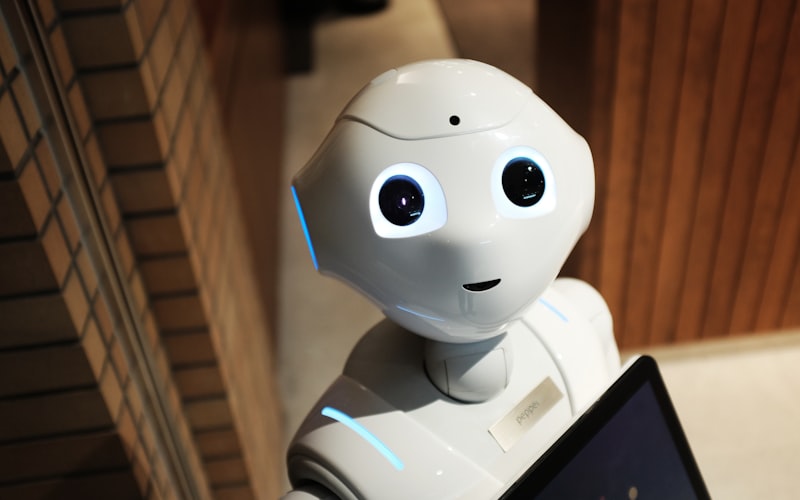
In 2026, the practical impact of neuromorphic hardware for robotics is undeniable across various sectors. Autonomous drones and industrial robots are now using these chips to navigate complex environments with millisecond latency, all while extending their operational range by hours. These robots no longer need to “call home” to a central server to figure out how to avoid an obstacle; the decision-making happens locally on the chip, allowing for much faster reaction times. This is particularly critical in search-and-rescue operations where every second counts and communication lines are often compromised. Beyond industrial use, the consumer market is seeing a surge in “ambient AI” powered by neuromorphic computing, allowing devices to be helpful without being intrusive.
Wearable health monitors have also transformed. These devices now perform continuous medical analysis locally, ensuring privacy and immediate feedback without draining the battery. A 2026-era wearable can detect subtle changes in heart rate or respiratory patterns that might indicate illness, alerting the user before symptoms even appear. Similarly, smart home systems now handle natural language locally, making them faster, more secure, and reliable during internet outages. The result is a resilient technological ecosystem that provides intelligent, invisible support aligned with human needs.
Intel Loihi 2 and the Future of Brain-Inspired Hardware
The debate of Intel Loihi 2 vs traditional GPUs has reached a definitive conclusion for edge computing: the GPU’s dominance is fading in the face of specialized architectures. While high-end GPUs remain essential for training massive frontier models in centralized data centers, the Intel Loihi 2 has become the gold standard for deployment at the edge. With its 128 neuromorphic cores and support for up to 1 million artificial neurons, the Loihi 2 provides a level of real-time adaptability that traditional hardware simply cannot match. This hardware allows for “on-chip learning,” where the AI can adapt to new environments or user preferences without needing to retrain on a server, a vital feature for personalized technology.
Looking ahead, the roadmap for Intel suggests even more specialized chips tailored for specific niches. We are seeing the emergence of “vision-first” neuromorphic chips for security cameras and “audio-first” chips for hearing aids. This specialization is driving down power consumption even further, while increasing the sophistication of what these devices can achieve. As we look toward the end of the decade, the future of low-power AI chips is clearly neuromorphic, paving the way for truly autonomous systems that think and react at the speed of thought. This cross-pollination of hardware innovation and software creativity is accelerating the pace of AI advancement, ensuring that the innovations of today become the standards of tomorrow, defining the next generation of computing.
In conclusion, the rise of neuromorphic computing marks a pivotal moment in the history of technology. By moving away from the power-intensive models of the past and embracing the elegant efficiency of the human brain, we are entering a new era of decentralized intelligence. The benefits of this transition extend far beyond mere energy savings; they enable a more private, responsive, and capable digital world. For more insights on the future of technology, check out our recent analysis on the rise of Agentic AI and how the Agentic AI revolution is reshaping our world. Stay tuned as we continue to track these breakthroughs that are defining the next decade of human progress and technological evolution.



Pingback: The Rise of Physical AI and Ambient Intelligence: Redefining Human-Machine Interaction in 2026
Pingback: The Rise of the Agentic Economy: How Autonomous AI Agents are Transforming the Workplace in 2026
Pingback: Beyond the Screen: The Rise of Physical AI and Ambient Intelligence in 2026